The Revolution of Smart Cities: How Technology Is Transforming Urbanism
Understanding Smart Cities
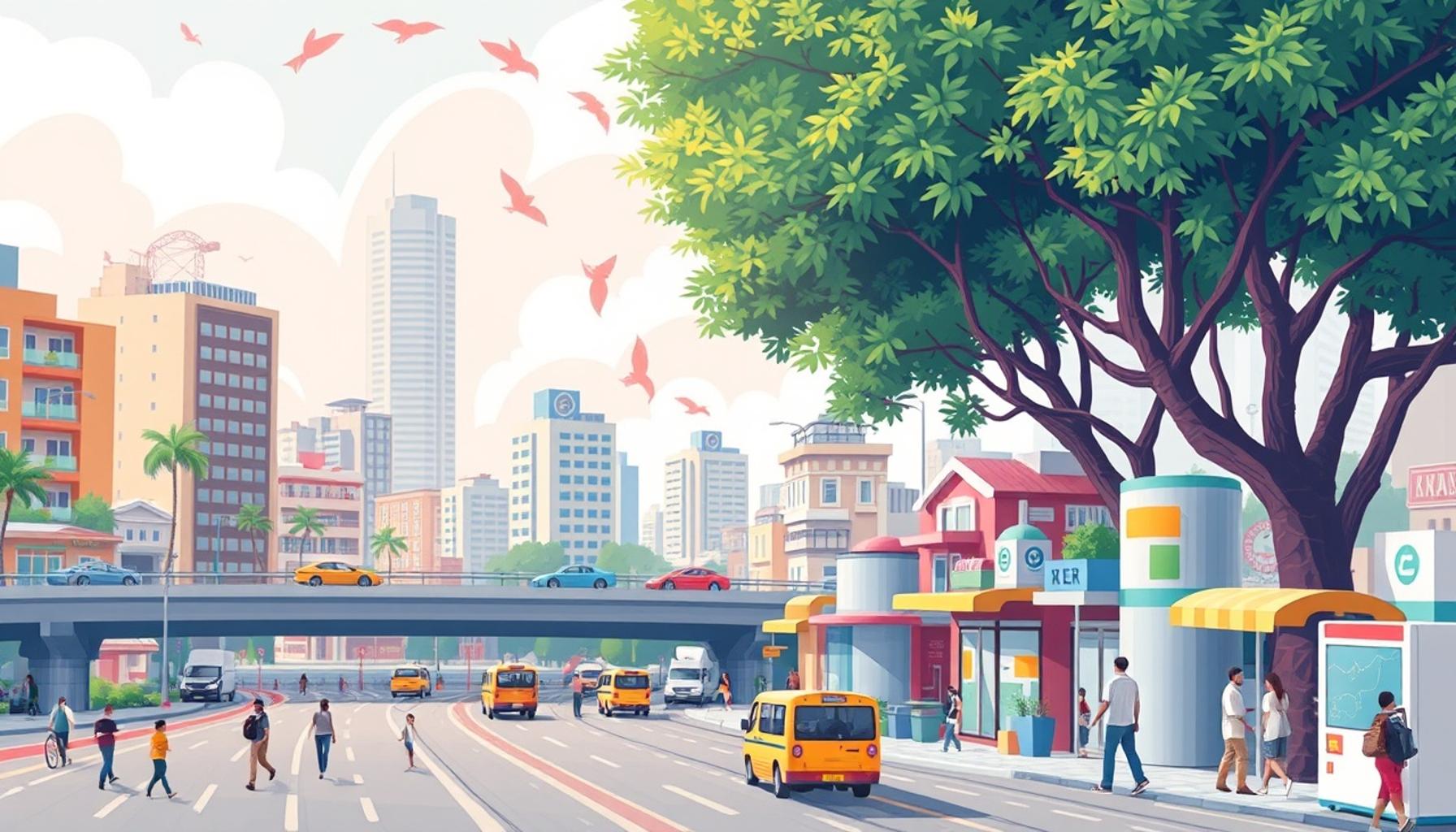
Urban landscapes are undergoing a profound transformation as technology integrates seamlessly into city planning. The concept of smart cities has emerged, where digital innovations enhance the quality of life for residents and increase operational efficiency. These cities leverage data to optimize urban living and tackle some of the most pressing challenges faced by metropolitan areas today.
Smart cities employ a variety of features designed to improve everyday experiences and create sustainable environments. Below, we explore some of the most important aspects of smart city development:
- IoT (Internet of Things): This technology encompasses a network of interconnected devices that communicate with each other to gather and analyze data. For example, smart meters help manage energy use by providing real-time information to both consumers and utility companies. This allows for better energy efficiency and cost savings for residents.
- Connected infrastructure: Smart traffic management systems utilize real-time data to monitor and manage the flow of vehicles and pedestrians. Cities like Los Angeles have implemented adaptive traffic signals that dynamically adjust to traffic conditions. This technology reduces wait times and minimizes congestion, leading to a smoother commute for residents.
- Sustainability initiatives: Many smart cities focus on renewable energy sources and green building practices. For instance, the city of Seattle has committed to running on 100% renewable energy by 2030. This proactive approach not only decreases carbon emissions but also promotes public health by improving air quality.
- Citizen engagement: Technology enables citizens to have a direct voice in local governance. Mobile applications and online platforms allow residents to report issues like potholes or broken streetlights, and participate in city planning decisions. A notable example is Boston’s “City Hall To Go,” which brings city services directly to neighborhoods, making it easier for residents to access government resources.
These advancements are not only about technological upgrades; they also address critical challenges such as urbanization and environmental sustainability. As populations continue to grow in urban areas, cities must adapt to accommodate increased demand for housing, transportation, and infrastructure. Cities like San Francisco and Austin exemplify how smart solutions can enhance urban life. San Francisco has implemented smart waste management systems that monitor bin capacity and schedule pickups efficiently, while Austin utilizes solar power technology to power public facilities.
As we explore the revolution of smart cities, we will uncover how technology is reshaping urbanism. This transformation is creating environments that are not only more livable and efficient but also responsive to the needs of their communities. Emphasizing collaboration between technology and urban planning paves the way for future innovations that promise smarter and more resilient communities.
DISCOVER MORE: Click here to learn how to secure your emergency fund
The Technological Backbone of Smart Cities
At the heart of the smart city concept lies the integration of cutting-edge technology designed to enhance daily urban life. From energy management to public safety, technology plays a critical role in shaping the urban experience. This evolution breaks down traditional barriers, fosters greater innovation, and ultimately leads to improved living conditions for city dwellers. To better understand this transformation, it is essential to explore several key components that fuel the smart city revolution.
- Data-Driven Decision Making: Smart cities rely heavily on data analytics to inform decisions. By gathering data from sensors placed throughout the city, municipalities can evaluate traffic patterns, monitor environmental conditions, and even assess public health trends. For example, in New York City, the Department of Transportation uses data from road sensors to optimize street usage and improve overall traffic flow.
- Smart Grids: The conventional electrical grid is being reimagined into a smart grid that incorporates digital technology for enhanced power distribution. With smart grid systems, cities can monitor energy consumption in real-time, predict power outages, and promote energy-saving practices among residents. In cities like Chicago, these grids contribute significantly to reducing energy waste and promoting sustainability.
- Public Safety Enhancements: Smart cities are prioritizing the safety of their residents through innovative technology. Surveillance cameras equipped with artificial intelligence can analyze footage for suspicious behavior, enabling quicker police responses. Cities like San Diego have utilized such technology to reduce crime rates, creating a safer environment for the community.
- Smart Public Transportation: Effective public transit systems are crucial in a smart city landscape. Using mobile applications, residents can gain real-time information about bus and train schedules, minimize waiting times, and plan their journeys more efficiently. In Washington D.C., the Metro Transit app not only provides travelers with schedule updates but also tracks the most convenient routes, making commuting smoother and more efficient.
These advancements reflect a broader trend where technology is being integrated into every aspect of urban life. A focus on collaboration between city officials, technology developers, and community members is vital to creating solutions that truly address urban challenges. For instance, initiatives in cities like Denver have highlighted the importance of public input in shaping smart infrastructure projects, ensuring that these developments meet the needs of residents.
As we delve deeper into the smart city revolution, we will see how the incorporation of technology not only transforms urban areas but also reshapes the future of urban planning itself. By leveraging advanced technologies, cities are working to create environments that are not only functional but also enriching and responsive to the shifting needs of their populations.
DIVE DEEPER: Click here for tips on selecting the perfect credit card
Innovative Solutions for Urban Challenges
Smart cities are tackling age-old urban challenges by implementing innovative technological solutions that enhance the quality of life for residents. These advancements address critical issues such as traffic congestion, waste management, and climate resilience, reflecting a comprehensive approach to urban planning that prioritizes sustainability and efficiency.
- Intelligent Traffic Management: One of the most pressing issues in urban areas is traffic congestion, which often leads to wasted time and increased pollution. Smart cities are adopting intelligent traffic management systems that use real-time data from cameras and sensors to optimize traffic flow. For instance, in Los Angeles, adaptive traffic signals adjust their timing based on current traffic conditions, helping to alleviate gridlock and facilitate smoother commutes.
- Smart Waste Management: Waste disposal in urban areas can be a logistical nightmare, but smart cities are leveraging technology to streamline this process. By using sensors in trash bins, cities can monitor waste levels and schedule pickups only when necessary. This not only reduces operational costs but also minimizes the environmental impact. San Francisco has launched a pilot program that employs this technology, resulting in a noticeable reduction in overflowing bins and improved cleanliness.
- Sustainable Urban Mobility: In the realm of transportation, smart cities are promoting sustainable mobility initiatives, such as bike-sharing programs and electric car charging stations. For example, several cities like Seattle have implemented bike lanes equipped with smart traffic signals that prioritize cyclists, encouraging more residents to choose biking over driving. Public electric vehicle charging stations are also becoming increasingly common, supporting the shift towards environmentally friendly transportation options.
- Resilient Infrastructure: Climate change poses significant risks to urban areas, and smart cities are developing resilient infrastructure to mitigate these threats. Advanced sensors can detect flooding or structural weaknesses in real-time, allowing cities to respond swiftly to prevent disasters. Miami, for instance, has adopted a network of sensors to monitor rising sea levels and heavy rainfall, enabling the city to improve its flood management strategies and protect vulnerable areas.
The collaboration between local governments and technology providers is essential for these solutions to thrive. In many cases, cities are entering partnerships with tech companies to pilot new initiatives. For example, the City of Boston has partnered with various organizations to implement digital tools for community engagement, allowing residents to participate in urban planning processes and voice their needs effectively.
Moreover, public-private partnerships are becoming an essential component of smart city development. As cities seek to harness the creativity and expertise of the private sector, many are establishing frameworks that encourage collaboration on projects like broadband expansion and smart lighting systems. These cooperative efforts not only bolster city budgets but also encourage innovative solutions tailored to local needs.
Overall, the ongoing transformation within urban environments illustrates that technology is not merely an add-on but rather an integrated component of urban life. By embracing innovative solutions to old problems, smart cities are paving the way for a more sustainable and inclusive future. This evolution empowers citizens to engage actively in shaping their urban experience, ensuring that the advancements serve the entire community.
DIVE DEEPER: Click here to discover the 5G connectivity revolution
Conclusion: Embracing a New Era of Urbanism
The transformation brought about by smart cities represents a significant shift in how we approach urban living. By integrating technology into the fabric of everyday city life, we are not only tackling long-standing challenges but also enhancing the overall quality of life for residents. The innovative solutions discussed, including intelligent traffic management, smart waste management, and sustainable urban mobility, illustrate how technology can lead to more efficient, cleaner, and resilient urban environments.
This revolution is not solely based on the implementation of new technologies; it requires a fundamental change in how communities engage with their environments. The collaboration between local governments, technology providers, and citizens is vital. As we have seen, initiatives that prioritize public-private partnerships can yield solutions uniquely tailored to the needs of each city, reflecting a commitment to not just efficiency but also inclusivity and sustainability.
Looking ahead, it is crucial to recognize that the evolution of smart cities is an ongoing journey, one that will benefit from the continuous input and participation of community members. By fostering open communication and encouraging civic involvement, we can ensure that technology serves the broader goals of equity and accessibility, allowing every citizen to reap the rewards of this transformation. As we embrace this new era of urbanism, we have the opportunity to redefine our cities as vibrant, connected, and thriving spaces for all.

Linda Carter
Linda Carter is a writer and expert known for producing clear, engaging, and easy-to-understand content. With solid experience guiding people in achieving their goals, she shares valuable insights and practical guidance. Her mission is to support readers in making informed choices and achieving significant progress.