The Revolution of Smart Cities: How Technology is Transforming Urban Life
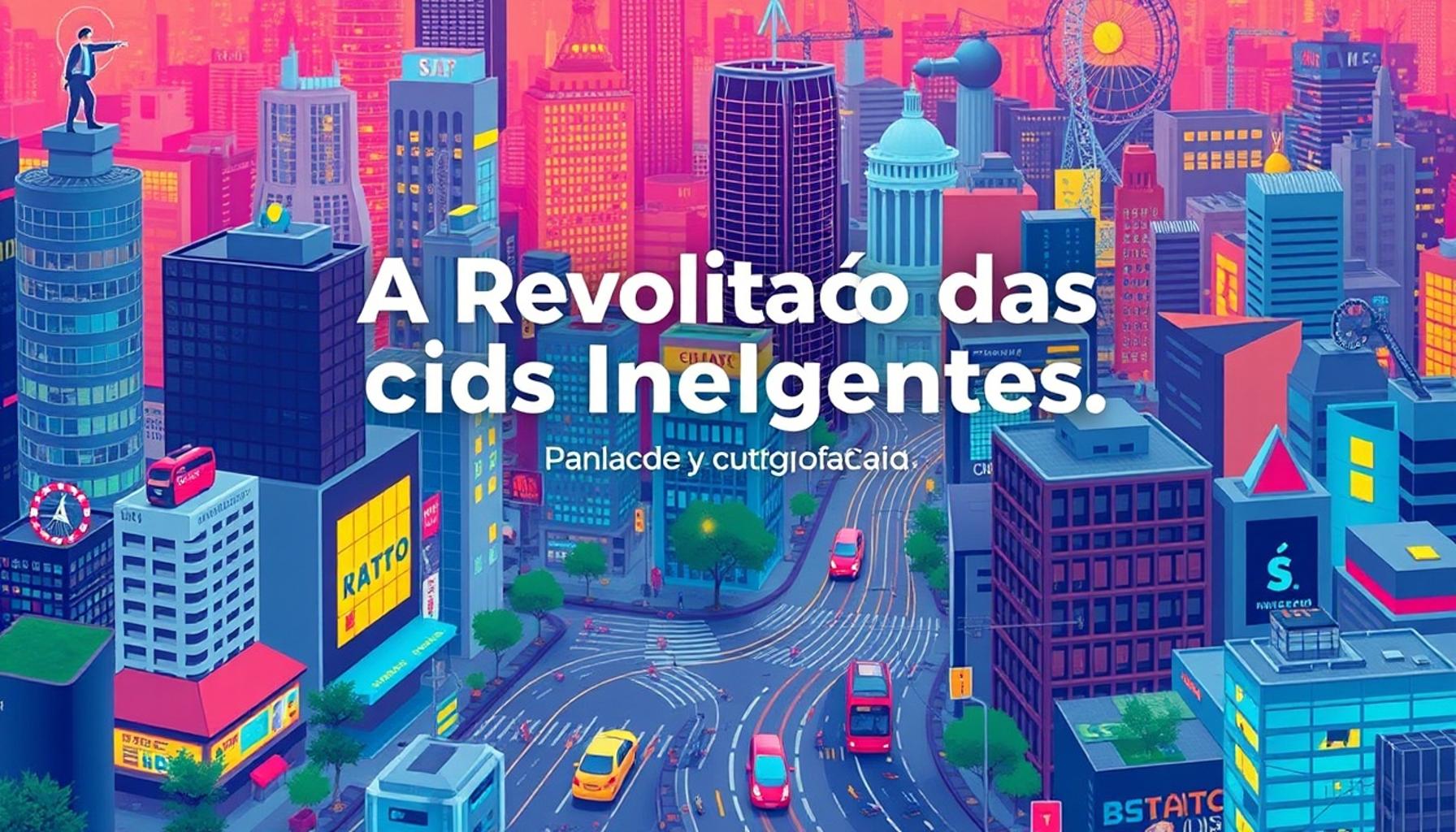
Understanding Smart Cities
As urban centers continue to grow, technology is playing a crucial role in reshaping how city life operates. A major idea behind the rise of smart cities is to use technology to enhance the quality of life for citizens, making cities not just more livable but also more environmentally sustainable. This transformation is taking place through the integration of various digital technologies and communication networks designed to streamline processes and improve services.
One of the most defining features of smart cities is enhanced connectivity. This involves the use of Internet of Things (IoT) devices, sensors, and advanced data analytics to create a network that collects and shares real-time information. For example, smart traffic lights can adjust their timing according to current traffic flow, ensuring smoother movement and reducing the time commuters spend idling at intersections.
Another important aspect is the improvement of public services. Many cities are adopting technology to optimize public transportation. In cities like Chicago, smartphone applications provide real-time updates on bus and train schedules, allowing residents to plan their journeys more effectively. Additionally, smart waste management systems use sensors in garbage bins to signal when they need to be emptied, preventing overflow and ensuring more efficient waste collection.
The shift towards sustainability is another critical characteristic of smart cities. By leveraging smart grids, cities can more effectively manage energy consumption. For instance, Los Angeles is integrating solar energy and battery storage systems that allow neighborhoods to store excess energy generated during sunny days for use at night. This not only reduces the city’s carbon footprint but also helps to manage energy costs for residents.
The Benefits of Smart Cities
The advantages of smart city innovations extend beyond just enhanced convenience; they bring significant benefits to health, safety, and environmental sustainability. For instance, air quality sensors can provide real-time data on pollution levels, enabling citizens to make informed decisions about when to go outside. Next-generation waste systems lead to cleaner streets and reduce the ecological impact of garbage disposal, contributing to a healthier urban environment.
Challenges Ahead
However, the transition to smart cities is not without its challenges. Issues related to data privacy, security, and the digital divide must be addressed. Ensuring that all residents have access to the technological benefits is crucial, as disparities in access can lead to inequalities in who benefits from these advancements.
Looking to the future, smart cities represent an exciting frontier in urban planning. More cities are expected to adopt these technologies, enhancing civic engagement and improving quality of life. As technology continues to evolve, it will empower citizens to actively participate in shaping their urban environments, making the cities of tomorrow more inclusive, efficient, and sustainable than ever before.
DISCOVER MORE: Click here to learn how to choose your first brokerage
Transforming Infrastructure and Services
The revolution of smart cities is ultimately driven by a transformation of infrastructure and essential services that cater to the needs of urban dwellers. These advancements allow cities to turn traditional processes into intelligent systems that support efficient resource management and enhance overall urban life.
A key component of this transformation is the use of smart infrastructure. This includes things like roads, bridges, and buildings that are equipped with sensors and connected devices. Such infrastructure can monitor its own condition in real time, providing valuable data to municipal authorities about when maintenance is needed. For instance, smart bridges can detect structural issues such as cracks or corrosion, alerting engineers to act before problems escalate, which can potentially save both lives and considerable costs.
In addition to infrastructure, the integration of smart utility management plays a vital role in the sustainability and efficiency of urban environments. Water management systems can utilize sensors to monitor leaks or identify areas of excessive consumption. This data allows cities to proactively address water loss and improve conservation efforts. Take the example of Atlanta, Georgia, where smart meters are being used to detect leaks in real time, significantly reducing water waste and leading to more responsible consumption among residents.
The adoption of smart energy solutions is also critical. Smart grids can analyze electricity usage patterns, allowing for dynamic pricing and more efficient energy distribution. For example, cities like San Diego are investing in technology that enables residents to manage their energy consumption during peak hours, resulting in lower utility bills and reduced strain on the city’s power grid. As an added benefit, these smart energy systems can integrate renewable energy sources, promoting a shift towards a more sustainable energy infrastructure.
The impact of these technologies can be illustrated further by looking at the multiple services they enhance. Many smart city projects focus on improving the urban mobility ecosystem. Cities are implementing systems that connect public transit, private transport, and pedestrian pathways through various apps. These services allow users to plan their journeys efficiently by providing details about public transportation schedules, traffic conditions, and even rideshare options all in one place. For instance, New York City has developed initiatives that consolidate multiple modes of transport into an integrated platform, simplifying transit for millions of daily commuters.
- Enhanced public safety: Smart city technologies can facilitate faster emergency responses through connected systems that provide real-time data to first responders.
- Improved health services: Cities can harness data to enhance public health initiatives, ensuring resources are focused where they are most needed.
- Increased citizen engagement: Digital platforms can foster greater interaction between governments and residents, encouraging participation in urban planning and decision-making processes.
The combination of smart infrastructure, energy management, and urban mobility solutions exemplifies how technology is poised to redefine urban living. By harnessing these innovations, cities can create environments that not only improve daily life but also pave the way for a more sustainable and equitable future.
DISCOVER MORE: Click here to improve your budgeting skills
Driving Economic Growth and Innovation
The integration of technology within smart cities is not just about enhancing infrastructure and services; it also serves as a catalyst for economic growth and innovation. By creating a favorable environment for businesses and startups, these urban landscapes are positioning themselves as hubs for creativity and commerce.
One of the most significant economic benefits of smart cities is the promotion of attracting investment. With advancements in technology and infrastructure, cities can showcase their commitment to innovation, making them more appealing to businesses looking to relocate or expand. For instance, cities like Boston have effectively transformed into thriving innovation districts by leveraging their educational institutions and healthcare systems to attract tech companies. These efforts promote job creation and economic resilience, which are essential for urban growth.
Further, smart cities are fostering an ecosystem that encourages entrepreneurship and innovation. Technology incubators and accelerators are emerging in urban areas, offering costly resources such as mentorship, networking opportunities, and access to funding. For example, Smart City Works in Arlington, Virginia, serves as an innovation hub where startups focusing on smart city solutions can collaborate with city officials and investors. This collaboration leads to the development of cutting-edge services and technologies that can address urban challenges more effectively.
Additionally, the integration of data analytics within smart cities plays a crucial role in informing economic strategy. By utilizing data analytics and artificial intelligence, city planners and policymakers can better understand local economic patterns, identify growth sectors, and allocate resources more effectively. For instance, Chicago has implemented a data-driven approach to analyze local business performance, guiding city officials in shaping policies that support economically vibrant neighborhoods.
The influence of smart technologies extends beyond infrastructure and economic growth; they also enhance quality of life through improved public services. Health services in smart cities are being transformed through advancements in telemedicine and digital health tracking. Cities like San Francisco are implementing programs that leverage data and local health resources, allowing residents to access healthcare remotely, reducing the barriers typically associated with traditional medical visits. This not only improves timely access to healthcare but also enhances overall public health outcomes.
Moreover, education technology is being prioritized in smart cities to provide accessible and quality educational resources. Schools are utilizing digital platforms to facilitate learning, making education more interactive and personalized. For instance, Houston’s initiatives to integrate technology in public schools highlight the shift towards experiential learning, which equips students with the necessary skills to thrive in a digital economy.
- Economic competitiveness: Smart cities foster innovation, making urban areas competitive in attracting global talent and businesses.
- Environmental sustainability: The use of smart technologies can monitor environmental impact, enabling cities to develop strategies that promote sustainability.
- Community resilience: By investing in technology and infrastructure, cities enhance their ability to respond to crises and adapt to changing circumstances.
The transformation brought about by smart city initiatives is crucial for fostering economic growth and improving quality of life. As technology continues to evolve, it will reshape urban experiences, providing cities with the tools they need to thrive in an ever-changing world.
DISCOVER MORE: Click here for the complete guide
Conclusion
The concept of smart cities exemplifies a profound shift in how urban life is experienced, marked by the seamless integration of technology across various sectors. By utilizing innovative solutions, cities are not only enhancing infrastructure but also redefining public services, health care, and education. Through the effective use of data analytics and connectivity, urban planners can address local challenges and cater to the unique needs of residents, ensuring that cities are not just places to live, but thriving environments for growth and opportunity.
Moreover, smart cities are emerging as key players in driving economic growth. The ecosystems fostering entrepreneurship and attracting investment create pathways for new businesses and job opportunities, contributing to resilient economies. Cities that embrace technology position themselves as competitive hubs, appealing to both talent and investment from around the globe.
In summary, the revolution of smart cities represents more than just technological advancement; it signifies a commitment to enhancing quality of life through sustainable, data-driven approaches. As these urban landscapes continue to evolve, they offer a powerful model for creating inclusive and adaptable communities. This ongoing transformation reinforces the necessity for collaboration among citizens, businesses, and government agencies, reminding us that the future of urban living depends on a collective effort to harness the potential of technology. Ultimately, the intelligent cities of tomorrow will inspire innovative solutions and improve the wellbeing of every resident, paving the way for a brighter, smarter future.

Linda Carter
Linda Carter is a writer and expert known for producing clear, engaging, and easy-to-understand content. With solid experience guiding people in achieving their goals, she shares valuable insights and practical guidance. Her mission is to support readers in making informed choices and achieving significant progress.