The Future of Education: How Digital Learning Technologies Are Shaping Classrooms
Understanding the Evolution of Digital Learning
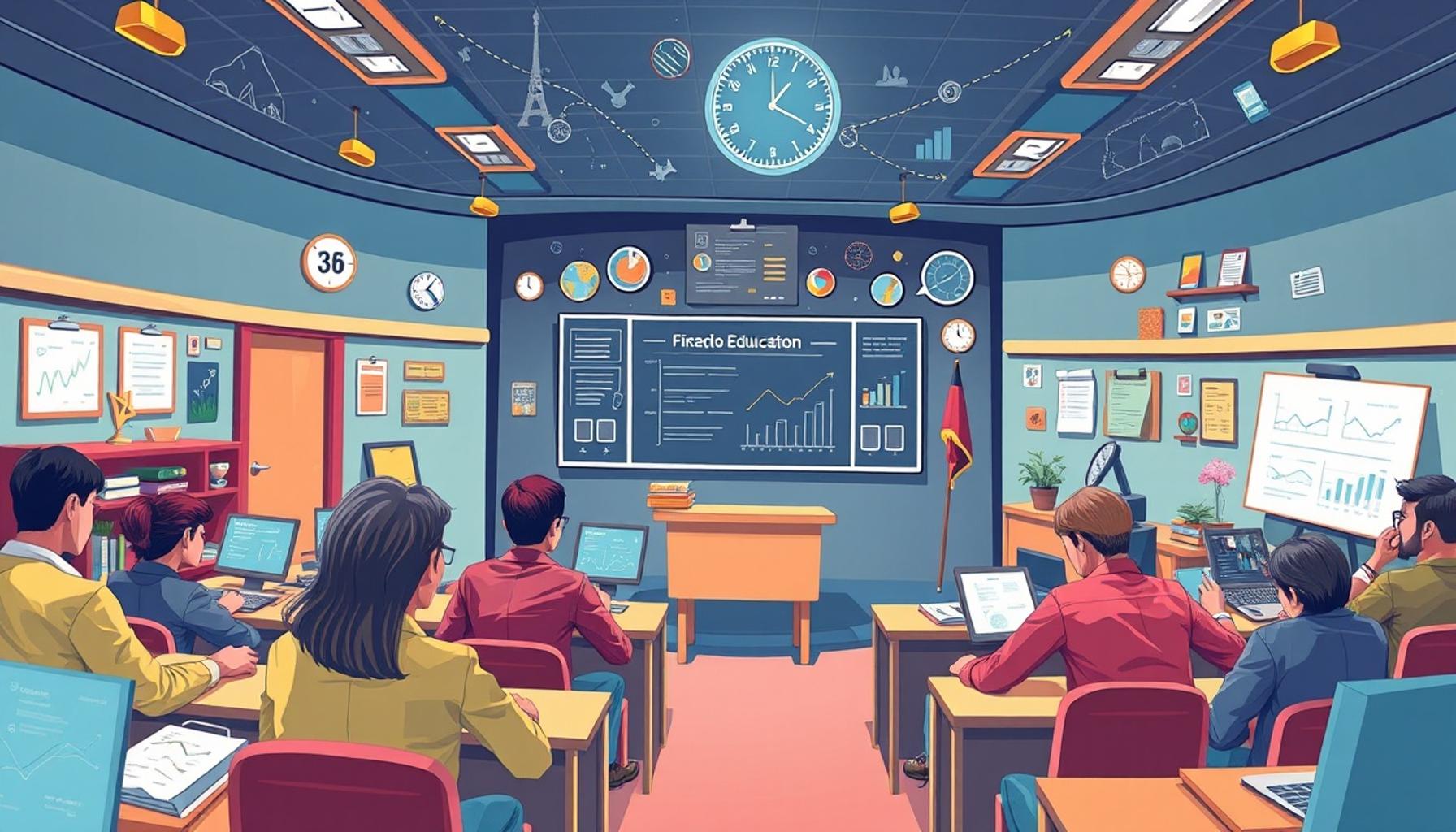
The landscape of education is rapidly evolving, driven by digital learning technologies that revolutionize how students engage with content. Classrooms are transforming into interactive learning environments, which makes education more accessible and personalized than ever before. This transformation is particularly important in a country like the United States, where educational diversity must be catered to meet various needs and backgrounds.
Some pivotal features of this digital shift include:
- Online Learning Platforms: Platforms such as Khan Academy and Coursera have democratized education by providing free or affordable resources that are available to anyone with an internet connection. For instance, high school students can supplement their learning in subjects like algebra or history using engaging video tutorials, interactive quizzes, and practice exercises at their own convenience.
- Blended Learning Models: These models combine traditional face-to-face teaching with online methods. Schools across the nation are adopting blended learning approaches where students might attend in-person classes for discussions and hands-on activities, while completing online modules for theoretical lessons. This not only enhances student participation but also allows for greater flexibility for both students and educators.
- Adaptive Learning Technologies: These tools leverage artificial intelligence to create customized educational experiences tailored to individual learning styles and paces. For example, programs like DreamBox learn how a student responds to questions and adapt in real-time, offering both challenges and support as needed, thereby increasing the effectiveness of the learning process.
As educators incorporate these innovations into their curriculum, they are finding new ways to engage learners effectively. For instance, gamification elements, such as point systems, badges, and leaderboards, are being utilized to make learning fun and interactive. By introducing game-like features into the classroom, students are often more motivated to engage in what they are learning, as it fosters a sense of ownership and accomplishment.
The infusion of technology into education not only aids in academic achievement but also fosters creativity, collaboration, and critical thinking skills. For instance, digital projects allow students to work together on presentations, incorporating various perspectives and ideas through online platforms, regardless of geographical barriers.
As we reflect on this evolving landscape, the question remains: how can we best harness these tools to enrich the learning experience for everyone? By prioritizing student engagement and adaptive techniques, educators can bridge gaps in understanding and deliver education that is not only effective but also inspiring to today’s learners.
DIVE DEEPER: Click here to discover budgeting strategies
Transforming Traditional Teaching Methods
The integration of digital learning technologies is undeniably reshaping the traditional classroom. As technology continues to evolve, so too does the approach educators take to impart knowledge. Rather than relying solely on textbook materials and lectures, teachers are now incorporating a variety of digital tools that cater to diverse learning modalities. This shift allows for a more dynamic and effective educational experience.
One significant advancement in this area is the use of interactive whiteboards. Unlike traditional chalkboards, these smart boards enable teachers to present content in an engaging manner, fostering a more collaborative atmosphere. Educators can easily share videos, images, and interactive exercises, prompting discussions that enhance comprehension and retention. For instance, during a science lesson on ecosystems, a teacher might display a video showing real-life habitats, followed by an interactive quiz on the observed concepts.
Moreover, mobile apps have become an integral part of the learning process. Applications designed for education encourage students to take charge of their own learning journeys. For example, platforms like Quizlet allow students to create flashcards and study tools tailored to their needs. This sense of ownership not only boosts motivation but also equips learners with the skills necessary for lifelong learning. Another app, Seesaw, enables students to document and showcase their learning process through multimedia, facilitating reflection and feedback from teachers and peers.
The implementation of virtual reality (VR) and augmented reality (AR) technologies is taking engagement to unprecedented heights. These immersive experiences make complex subjects easier to grasp, as students can explore 3D models or navigate historical sites without leaving the classroom. For instance, during a lesson on Ancient Rome, students could wear VR headsets to “walk” the streets of the Colosseum, allowing them to see and understand historical structures in a way that textbooks simply cannot convey.
Teachers are also leveraging learning management systems (LMS) to streamline course administration and enhance communication. These platforms, such as Google Classroom and Moodle, provide a centralized hub for assignments, assessments, and resources. Not only does this organization benefit educators by reducing paperwork, but it also allows students to easily track their progress and stay informed about upcoming deadlines.
The transformation within classrooms does not come without challenges. However, when implemented thoughtfully, these digital tools can significantly enhance learning outcomes and provide equal opportunities for all students. To navigate this landscape effectively, educators must continue to stay informed and adapt to new technologies, ensuring they utilize the best available resources to support their students’ diverse needs.
In summary, digital learning technologies are creating an educational environment that prioritizes innovation and flexibility. The combination of interactive tools, personalized applications, and immersive experiences empowers students to engage with their education actively, ultimately paving the way for a brighter future in learning.
DIVE DEEPER: Click here to learn how to invest wisely
Fostering Collaborative Learning Environments
In addition to transforming traditional teaching methods, digital learning technologies are significantly enhancing collaboration among students. By breaking down physical and social barriers, these tools promote teamwork and communication skills that are essential in today’s interconnected world. The rise of online collaborative platforms like Google Docs and Microsoft Teams enables students to work together in real time, regardless of their location. For instance, a group of high school students can collaborate on a research project, sharing documents, presenting ideas, and providing feedback seamlessly, thus mirroring real-world professional environments.
Moreover, video conferencing tools have become commonplace in educational settings, allowing for guest speakers, virtual field trips, and group discussions with peers from different schools or even international locations. During a literature class, for example, students might engage in a live discussion with an author via Zoom, gaining unique insights into their creative process. This exposure broadens students’ perspectives and promotes global citizenship.
Furthermore, gamification has emerged as a powerful educational strategy that leverages game elements to promote engagement and motivation. Incorporating elements like points, badges, and leaderboards into learning experiences can invigorate students’ interests and encourage healthy competition. Tools such as Kahoot! allow teachers to create quizzes that students can answer in real time through their devices, turning assessment into an interactive and enjoyable game.
Personalized Learning Paths
The advent of digital tools has also paved the way for personalized learning, which allows for more tailored educational experiences based on individual student needs. Programs like Khan Academy and DreamBox Learning use algorithms to assess student performance and provide customized resources that target specific areas for improvement. As a result, a student struggling with algebra can receive additional practice problems that cater explicitly to their level, ensuring they build a solid foundation before moving on to more complex concepts.
Moreover, adaptive learning technologies continue to gain traction, providing students with immediate feedback and adjusting the difficulty of tasks in real-time. This approach ensures that learners are neither bored with material that’s too easy nor overwhelmed by challenges that are too difficult. For example, a platform may present simpler math problems to a student who is struggling, slowly introducing more complex tasks as their confidence and skills grow. Personalized learning empowers students to take ownership of their education, fostering self-motivation and resilience.
Enhancing Accessibility in Education
The integration of digital technologies in education also plays a crucial role in enhancing accessibility for students with diverse needs. Tools such as text-to-speech software, closed captioning, and assistive devices ensure that all students, including those with disabilities, have equitable access to learning resources. For instance, a student with dyslexia may benefit from software that reads text aloud, while a hearing-impaired student may rely on video content that includes subtitles.
Schools are increasingly investing in training educators on how to effectively implement these technologies to foster an inclusive environment. The goal is to break down barriers and provide each student with the tools and support necessary to thrive academically.
Ultimately, the shift toward digital learning technologies is more than just about utilizing new tools; it’s about creating an educational ecosystem that promotes collaboration, personalizes learning experiences, and enhances accessibility, all of which are vital for preparing students for the challenges of the future.
DON’T MISS: Click here for essential tips on safeguarding your credit score
Conclusion
In conclusion, the future of education is undeniably intertwined with the advancements in digital learning technologies. These innovations are not just changing the way we teach; they are reshaping the entire educational landscape. By fostering collaboration through online platforms and video conferencing tools, students are gaining essential skills that will prepare them for real-world interactions. Integrating gamification into lessons injects excitement and motivation, making learning an engaging experience that encourages student participation.
Moreover, the emphasis on personalized learning paths ensures that every student can receive tailored instruction that meets their unique needs. This adaptive approach allows learners to progress at their own pace, promoting confidence and resilience. Additionally, enhanced accessibility features provide equal opportunities for students with diverse abilities, ensuring no one is left behind in their educational journey.
Ultimately, as we look toward the future, it’s clear that incorporating digital tools into classrooms is essential for creating a well-rounded, inclusive, and effective educational experience. Educators, institutions, and policymakers must continue to embrace and invest in these technologies to prepare the next generation of learners for success in a rapidly changing world. The transformation of education is not merely a trend; it is a necessary evolution for a brighter and more equitable future.

Linda Carter
Linda Carter is a writer and expert known for producing clear, engaging, and easy-to-understand content. With solid experience guiding people in achieving their goals, she shares valuable insights and practical guidance. Her mission is to support readers in making informed choices and achieving significant progress.