Telemedicine Solutions: The Future of Healthcare in Times of Pandemic
Transforming Healthcare Delivery
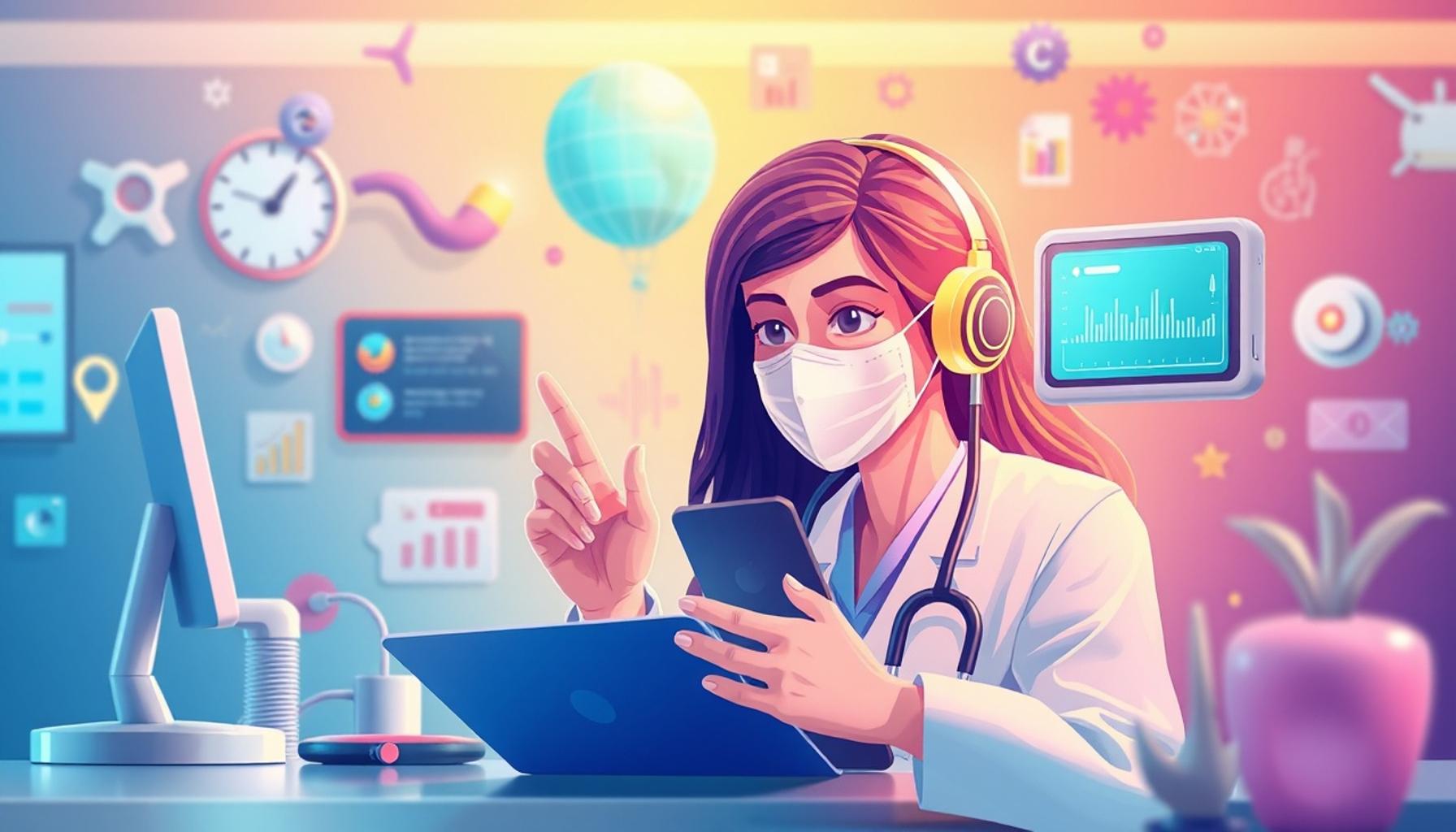
Over the past few years, telemedicine has become a cornerstone of healthcare, reshaping traditional practices and offering new solutions to patients. This innovative approach allows individuals to access healthcare services without the need to visit a medical facility, which is particularly advantageous in situations such as the recent global pandemic. By utilizing technology, telemedicine not only enhances safety by minimizing physical interactions but also significantly improves the efficiency of healthcare delivery.
One of the most significant aspects of telemedicine is its ability to facilitate remote consultations. Through video conferencing, patients can connect with healthcare providers from their homes, discussing symptoms, reviewing medications, or receiving expert advice on health-related questions. For instance, a patient managing chronic conditions like diabetes can easily meet with their endocrinologist via a secure video link, ensuring continuity of care with minimal disruption to their routine.
Furthermore, the convenience of 24/7 access to healthcare services has revolutionized patient care. Many telemedicine platforms operate around the clock, enabling patients to receive urgent medical attention at any hour. This is crucial for non-emergency situations that require prompt action, such as skin rashes or minor injuries. For example, a parent with a sick child can seek advice late at night when traditional offices are closed, ensuring that their child receives timely care without unnecessary delays.
Another significant benefit of telemedicine is its cost-effectiveness. By eliminating the need for in-person visits, telemedicine can help reduce overall healthcare expenses for both patients and healthcare systems. Patients can save on travel costs and time off work, while healthcare facilities can minimize overhead associated with staffing and maintaining physical office spaces. For example, a patient requiring a follow-up consultation after a hospital discharge might substantially lower their costs by opting for a telehealth appointment rather than an in-person visit.
As the U.S. continues to navigate various public health challenges, the importance of telemedicine is more pronounced than ever. It not only responds effectively to immediate healthcare needs during crises but also lays the groundwork for a more resilient and adaptive healthcare system in the future. By embracing technology, we are paving the way for a healthcare landscape that emphasizes accessibility, efficiency, and patient-centered care.
DISCOVER MORE: Click here to learn how much you really need in your emergency fund</p
Enhancing Accessibility for All
One of the primary advantages of telemedicine is its profound ability to enhance accessibility to healthcare services. For many individuals, especially those living in rural or underserved areas, reaching a healthcare provider can be a daunting task. Long distances, limited transportation options, and the scarcity of medical facilities can create significant barriers. Telemedicine effectively breaks down these obstacles by allowing patients to connect with healthcare professionals from the comfort of their homes, thereby reducing travel-related stress and increasing overall access to care.
Consider a patient residing in a remote part of Nebraska who requires follow-up care for a respiratory condition. Traditionally, this patient might have to drive over an hour to see a specialist in a nearby city, which could be particularly challenging in adverse weather conditions. With telemedicine, this same patient can easily schedule a video consultation, receiving expert advice and treatment recommendations without the need for long-distance travel. This enhanced access is not only a convenience but can lead to better health outcomes, as patients are more likely to seek care when it is easily attainable.
Facilitating Care for Diverse Populations
Telemedicine also plays a crucial role in addressing the needs of diverse populations, including the elderly, individuals with disabilities, and those with chronic illnesses. These groups often face unique challenges in accessing healthcare, which can be alleviated through telehealth solutions. Key benefits include:
- Ease of Access: Seniors and individuals with mobility limitations can participate in virtual visits without the stress of coordinating transportation.
- Language and Cultural Support: Many telemedicine platforms offer multilingual services and culturally competent care, providing a more inclusive healthcare experience.
- Continuity of Care: For patients with chronic illnesses who require regular monitoring, telemedicine allows for ongoing communication with healthcare providers, promoting adherence to treatment plans.
By embracing telemedicine, healthcare providers are not only improving access for various populations but also fostering a more inclusive environment where all individuals can receive the care they need. This shift is essential during times of crisis, such as the COVID-19 pandemic, where vulnerable populations are at a higher risk yet often face greater barriers to accessing traditional healthcare services.
Moreover, telemedicine is proving to be particularly beneficial for managing mental health. During periods of isolation, such as lockdowns, many individuals have struggled with anxiety and depression. Virtual therapy sessions and mental health check-ins via telehealth have provided a lifeline, allowing individuals to seek support while maintaining social distancing measures. For instance, a college student facing stress and anxiety due to academic pressures can benefit from counseling sessions conducted online, making healthcare available when it is most needed.
In summary, the evolution of telemedicine is a transformative development in healthcare, significantly improving accessibility for patients across the United States. As we continue to adapt and innovate in response to current health challenges, it is clear that telemedicine will remain a vital component of a modern healthcare system, ensuring that every individual has access to the care they require whenever they need it.
DIVE DEEPER: Click here to learn more about trends in automation and remote work</
Improving Efficiency and Reducing Costs
As healthcare systems around the world are grappling with the challenges posed by the COVID-19 pandemic, efficiency and cost-effectiveness have become more critical than ever. Telemedicine solutions offer remarkable advantages in both these areas, making healthcare more sustainable and accessible. By streamlining the delivery of care, telehealth can help providers manage their resources more effectively while also lowering costs for patients.
For example, consider a situation where a patient needs a simple prescription refill or a routine check-up. Traditionally, such matters might require an in-person visit, consuming valuable time for both the patient and the healthcare provider. With telemedicine, a quick virtual appointment can address these needs efficiently. According to a study published in the Journal of Medical Internet Research, telemedicine can reduce healthcare costs by eliminating unnecessary in-person visits, transportation costs, and even time off work for patients seeking care.
Enhancing Patient Engagement and Satisfaction
In addition to efficiency, telemedicine plays a vital role in enhancing patient engagement and overall satisfaction with healthcare services. Many telehealth platforms incorporate features that empower patients to take charge of their health. These platforms offer appointment scheduling, remote monitoring, and easy access to health records, fostering a more proactive approach to healthcare.
Consider a young mother managing her child’s asthma. Through a telemedicine application, she can track her child’s symptoms, communicate directly with the pediatrician, and receive tailored advice for managing asthma flare-ups without needing to schedule a physical office visit. This level of engagement ensures that parents can make informed decisions about their child’s care, ultimately leading to better outcomes.
Furthermore, the convenience of telemedicine can lead to improved adherence to treatment plans. When patients can easily consult their healthcare providers, they are more likely to follow recommendations and maintain routine follow-ups. For instance, a diabetic patient can have regular virtual check-ins with their healthcare team to monitor their condition, leading to more consistent management and fewer complications.
Leveraging Technologies for Personalized Care
The integration of advanced technologies into telemedicine platforms paves the way for personalized care tailored to the unique needs of each patient. Artificial Intelligence (AI) and machine learning algorithms can analyze patient data to provide real-time insights and recommendations. This capability allows healthcare providers to deliver care that is specifically designed for individual health conditions.
For instance, chronic condition management can benefit greatly from AI-driven analytics. A telehealth system may analyze data from a patient’s wearable device, identifying irregularities in heart rate or blood pressure. The healthcare provider can then receive alerts and follow up promptly, enabling preemptive interventions that can prevent costly hospitalizations.
The use of telemedicine during the pandemic has catalyzed the adoption of various digital tools that enhance communication and care. For example, remote monitoring devices that track vital signs and other health metrics can send data directly to healthcare providers, ensuring continuous oversight without overwhelming hospital resources.
In summary, the shift toward telemedicine in the United States is not just a response to the immediate health crisis but part of a broader move toward more efficient, personalized, and accessible healthcare solutions. As technology continues to progress, telemedicine will play an increasingly pivotal role in shaping the future of health services, harnessing the advantages of efficiency and patient engagement to enhance overall care delivery.
DISCOVER MORE: Click here for essential tips
Conclusion
In conclusion, the rise of telemedicine solutions during the COVID-19 pandemic has fundamentally transformed the landscape of healthcare delivery in the United States. The efficiency and cost-effectiveness displayed by telehealth services not only address immediate needs but also pave the way for a more sustainable healthcare model. By reducing unnecessary in-person visits and allowing patients to access care from the comfort of their homes, telemedicine has proven its worth as an essential tool in times of crisis.
Moreover, the emphasis on patient engagement and satisfaction cannot be overstated. By empowering individuals to actively participate in their healthcare journey—whether through monitoring symptoms, managing chronic conditions, or accessing vital information—telemedicine enhances overall health outcomes. This model encourages patients to adhere to their treatment plans, ultimately leading to healthier populations and a more effective healthcare system.
As advancements in technology continue to evolve, the integration of AI and personalized care will only strengthen the capabilities of telemedicine. Future healthcare will likely see even greater reliance on data-driven insights, allowing providers to tailor treatments to the specific needs of each patient. Thus, telemedicine is not merely a temporary solution but a critical component of the future healthcare landscape.
In a world where healthcare demands adapt in response to new challenges, telehealth solutions will remain at the forefront, providing accessible, efficient, and personalized care to millions. Embracing these changes not only positions the healthcare system for better response in times of crisis but also ensures a healthier future for all. The pathway forward is clear: the future of healthcare is indeed intertwined with the advancements offered by telemedicine.

Linda Carter
Linda Carter is a writer and expert known for producing clear, engaging, and easy-to-understand content. With solid experience guiding people in achieving their goals, she shares valuable insights and practical guidance. Her mission is to support readers in making informed choices and achieving significant progress.