Advances in Renewable Energy Technology and Its Role in the Fight Against Climate Change
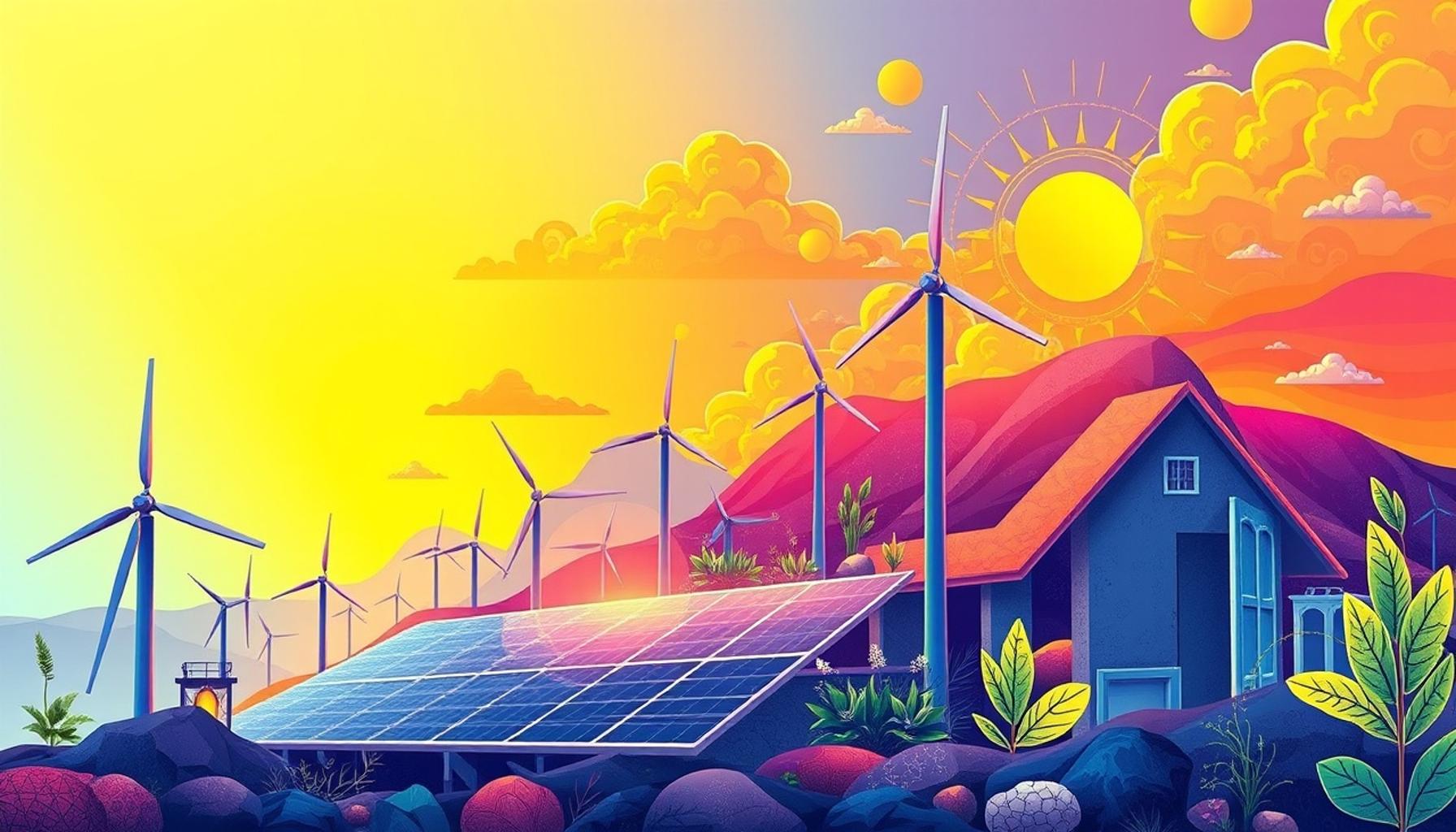
The Role of Renewable Energy in Combating Climate Change
The urgent need to address climate change has spurred significant advancements in renewable energy technology. These innovations not only promise a sustainable future but also play a crucial role in reducing greenhouse gas emissions. As we face increasing global temperatures and changing weather patterns, the shift towards cleaner energy sources has never been more essential.
Key Developments in Renewable Energy
Several key advancements have emerged in the renewable energy sector, each contributing uniquely to the fight against climate change.
- Solar Energy: Solar technology has advanced considerably in recent years. Modern solar panels have become more efficient, with some models capable of converting over 20% of sunlight into energy. Additionally, innovations in battery storage, such as lithium-ion and solid-state batteries, allow homeowners to store excess energy generated during sunny days for use at night or during cloudy weather. For example, Tesla’s Powerwall offers households a way to optimize their energy use while decreasing reliance on fossil fuels.
- Wind Energy: Wind energy is another area where significant progress has been made. Newer, larger turbines can reach heights of over 400 feet and are designed to generate power even at low wind speeds. These advancements have made wind power feasible in more locations, including areas that previously seemed unsuitable for wind farms. Companies like GE and Siemens are leading the charge, developing turbines that not only capture more energy but do so with a smaller ecological footprint.
- Hydropower: Although hydropower has been a traditional energy source, innovations such as small modular hydropower plants are redefining its role. These systems are designed to minimize ecological impact while harnessing the energy of flowing water. For instance, modern hydropower installations can incorporate fish-friendly technologies that allow aquatic life to thrive even as energy is extracted from river systems.
- Bioenergy: Bioenergy offers innovative methods for converting waste materials into usable energy. This approach not only reduces landfill waste but also generates energy from resources that would otherwise emit harmful greenhouse gases. Techniques such as anaerobic digestion process various organic materials, producing biogas that can be used for heating or electricity generation, providing a circular economy benefit.
The Broader Benefits of Renewable Energy
These technologies not only help to lower carbon emissions but also contribute to energy independence and economic growth. By investing in renewable energy, communities across the United States have the opportunity to create jobs, enhance energy security, and protect the environment. For example, the expansion of solar and wind job markets has resulted in thousands of new positions annually in sectors such as installation, maintenance, and administration. Moreover, a commitment to renewable energy can foster energy independence, reducing dependence on foreign oil and enhancing national security.
Conclusion
In this article, we’ll explore how these advancements are being integrated into our daily lives and their potential to combat climate change effectively. Understanding these innovations is essential for anyone looking to support a sustainable future. The transition to renewable energy is not just a technical challenge but a crucial step towards ensuring a healthier planet for future generations. Together, we can drive the change needed to secure our environment and economy.
DIVE DEEPER: Click here to learn more about blockchain’s impact on digital security
Harnessing Solar Energy: Innovations and Impact
Among the various renewable energy technologies, solar energy stands out for its rapid advancements and widespread applicability. The efficiency of solar panels has improved dramatically, with the latest models achieving over 20% conversion rates of sunlight into usable energy. This increase in efficiency not only makes solar energy more viable for homeowners and businesses but also enhances its competitiveness against traditional energy sources.
One of the most noteworthy innovations in solar technology is the development of battery storage systems. These systems enable users to store surplus energy produced during sunny days for use during evenings or cloudy weather, effectively extending the utility of solar energy. Companies like Tesla have popularized residential energy storage solutions, such as the Powerwall, which allows homeowners to not only save on energy bills but also contribute to reducing strain on the grid during peak demand times.
Empowering Wind Energy: The Evolution of Turbines
Wind energy has also seen groundbreaking advancements that are reshaping the landscape of renewable energy. The introduction of larger, more efficient turbines is making wind farms a feasible energy solution in previously untapped areas. These modern turbines can reach heights of over 400 feet, capturing wind energy more effectively even at lower speeds. As a result, locations that may have been considered unsuitable for wind farms are now harnessing this clean energy to power homes and businesses.
Companies like GE and Siemens are at the forefront of this evolution, designing turbines that not only optimize energy capture but also minimize the environmental footprint. This includes advancements in turbine design that consider the migration patterns of birds and other wildlife, addressing the ecological concerns associated with large wind installations.
Redefining Hydropower: Sustainable Innovations
While hydropower has long been established as a renewable energy source, innovations have emerged that enhance its sustainability. New designs for small modular hydropower plants aim to reduce ecological impacts while still harnessing the energy from rivers and streams. These systems tend to be less invasive than traditional, large-scale dams, preserving local ecosystems and allowing aquatic life to thrive. Additionally, modern hydropower technology includes features like fish-friendly turbines that ensure fish populations are minimally affected by energy extraction.
Exploring Bioenergy: Waste to Energy Solutions
Another exciting area in renewable energy technology is bioenergy, which converts organic waste materials into valuable energy resources. This innovative approach addresses two environmental concerns: it reduces the volume of waste sent to landfills while simultaneously generating energy from materials that would otherwise produce harmful greenhouse gases. Techniques such as anaerobic digestion process organic materials, producing biogas that can be used for heating or electricity generation, thus contributing to a circular economy.
These developments in renewable energy showcase the potential to transform how we produce and consume energy. Each technological advancement not only aids in reducing our carbon footprint but also paves the way for a more sustainable and resilient future. By embracing these innovations, communities have an opportunity to combat climate change effectively while fostering economic growth and enhancing energy security.
LEARN MORE: Click here to discover how to rebuild your emergency fund
Advancing Energy Efficiency: The Role of Smart Grids
As renewable energy technologies progress, the need for an efficient distribution system becomes increasingly vital. Smart grids represent an evolution in energy management that allows for improved communication between energy producers and consumers. These grids utilize advanced digital technology to monitor energy flows in real-time, optimizing the efficiency and reliability of energy distribution.
For instance, smart meters installed in homes and businesses enable users to track their energy consumption patterns, identify peak usage times, and adjust their habits accordingly. This capability can lead to significant savings and reduced energy waste. Furthermore, smart grids facilitate the integration of various renewable energy sources, allowing for a more stable energy supply. During periods of low solar or wind production, smart grids can seamlessly draw from alternative sources, such as hydropower or even natural gas as a transitional energy source.
Introducing Geothermal Energy: Harnessing the Earth’s Heat
Geothermal energy utilizes the natural heat stored beneath the Earth’s surface, offering a clean and reliable energy source. Advances in geothermal technology have opened up new possibilities, particularly in areas that were previously unsuitable for traditional geothermal plants. Enhanced geothermal systems (EGS) allow for the extraction of heat from dry rock, making it possible to generate energy even in regions without significant groundwater resources.
As a practical example, the United States is home to the world’s largest geothermal market, with over 3,700 megawatts of installed capacity. California leads the charge with the Geysers, the largest group of geothermal power plants in the world. This shift towards utilizing geothermal resources not only contributes to reducing greenhouse gases but also provides reliable baseload power, which is crucial in an energy landscape dominated by intermittent sources like solar and wind.
Innovations in Hydrogen Technology: A Clean Fuel Alternative
Hydrogen fuel is gaining traction as a sustainable energy solution, particularly in sectors that are traditionally hard to decarbonize, such as transportation and heavy industry. Recent advancements in hydrogen production methods, particularly through the process of water electrolysis powered by renewable energy sources, have made clean hydrogen more accessible. This green hydrogen can be used in fuel cells to produce electricity without emitting carbon dioxide.
For example, companies are increasingly investing in hydrogen fuel cell vehicles (FCVs) as a clean alternative to fossil fuel-powered cars. Automakers such as Toyota and Honda are pioneering hydrogen FCVs that provide performance comparable to traditional vehicles while emitting only water vapor as a byproduct. This innovation not only reduces reliance on fossil fuels but also addresses the challenges posed by battery technology, particularly in terms of charging time and driving range.
Community Solar Initiatives: Localizing Renewable Energy
Community solar projects are becoming popular across the United States, facilitating access to renewable energy for homeowners who may not have the means to install solar panels on their properties. These initiatives allow groups of individuals to invest in a shared solar installation, offering a sustainable energy solution at a lower barrier to entry. Community solar farms can also serve low-income neighborhoods, ensuring that the benefits of renewable energy are equitably distributed.
In practical terms, these projects not only increase local investment in renewable energy but also empower communities to take charge of their energy production. Participants can receive credits on their utility bills, which translates into immediate financial savings while contributing to the overall reduction of carbon emissions. This model promotes sustainability at the grassroots level, fostering a cultural shift towards renewable energy adoption.
DISCOVER MORE: Click here for tips on increasing your credit limit
Conclusion
In summary, the advancements in renewable energy technology play a pivotal role in combating climate change and transitioning to a sustainable energy future. From the efficiency of smart grids that optimize energy distribution to the reliability of geothermal energy harnessing the Earth’s natural heat, we are witnessing a transformative shift in how we generate and consume energy. Technologies such as hydrogen fuel are paving the way for cleaner alternatives in transportation and industry, addressing significant challenges in reducing carbon footprints.
Moreover, community solar initiatives exemplify how localized efforts can democratize access to renewable energy, ensuring that the benefits are shared widely, especially among marginalized communities. By allowing individuals to participate in shared solar projects, we not only lower the barriers to renewable energy adoption but also promote a culture of sustainability.
As we move forward, it is essential for policy-makers, businesses, and communities to continue investing in and supporting these innovations. The responsibility to fight climate change does not rest solely on technology; it must be coupled with collective action and a commitment to sustainable practices at all levels of society. With a concerted effort, our advances in renewable energy technology can contribute significantly to mitigating climate change and securing a healthier planet for future generations.

Linda Carter
Linda Carter is a writer and expert known for producing clear, engaging, and easy-to-understand content. With solid experience guiding people in achieving their goals, she shares valuable insights and practical guidance. Her mission is to support readers in making informed choices and achieving significant progress.